
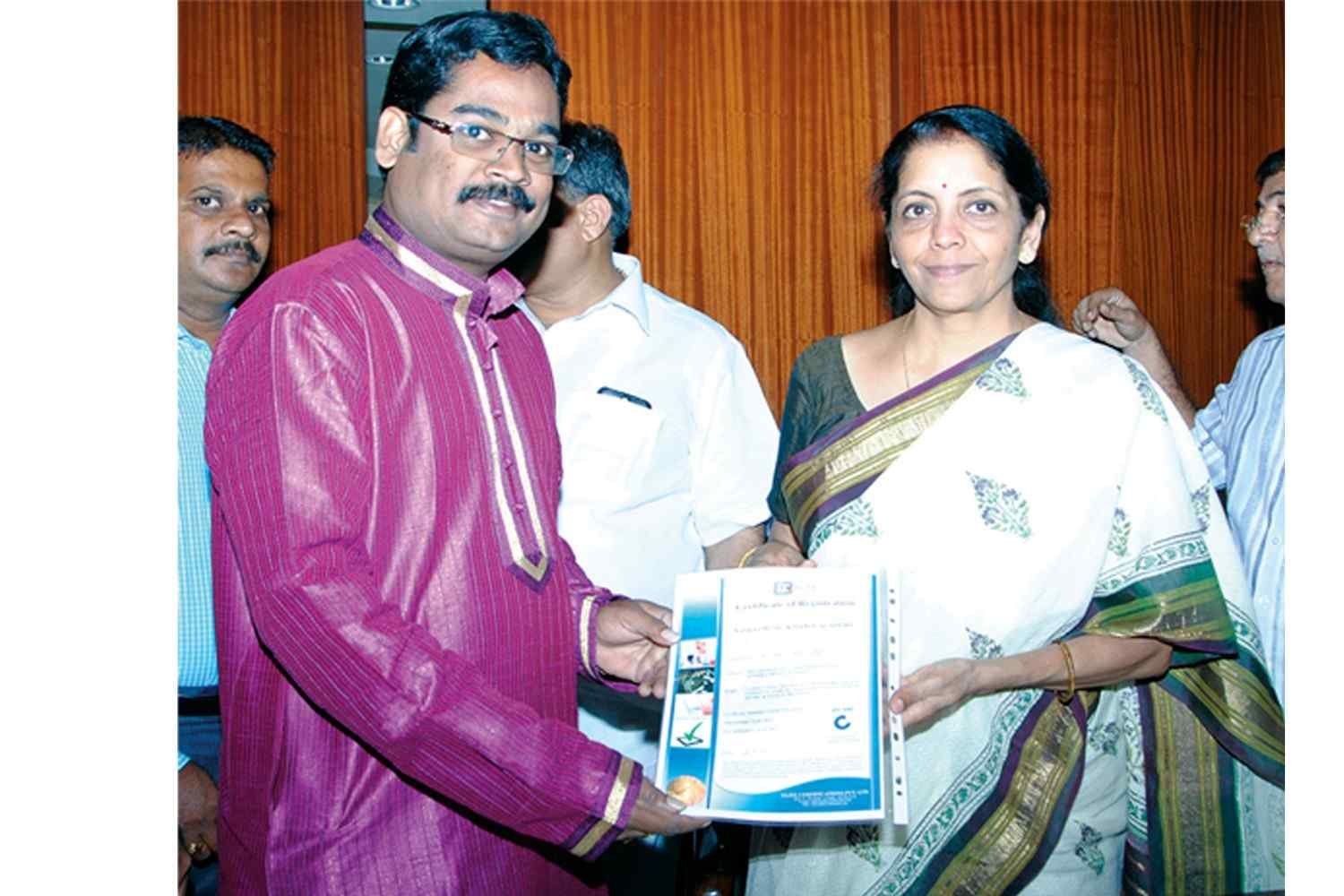
Indian classical dance carries centuries of accumulated knowledge, but its survival depends on a continuous relationship between generations. Young dancers need opportunities to learn from experienced practitioners, while senior masters need platforms through which their knowledge and artistic experience can reach new audiences. Cultural organiser and Kuchipudi exponent Vikram Kumar B R, popularly known as Bathina Vikram Goud, has placed this intergenerational connection at the centre of several of his festival initiatives.
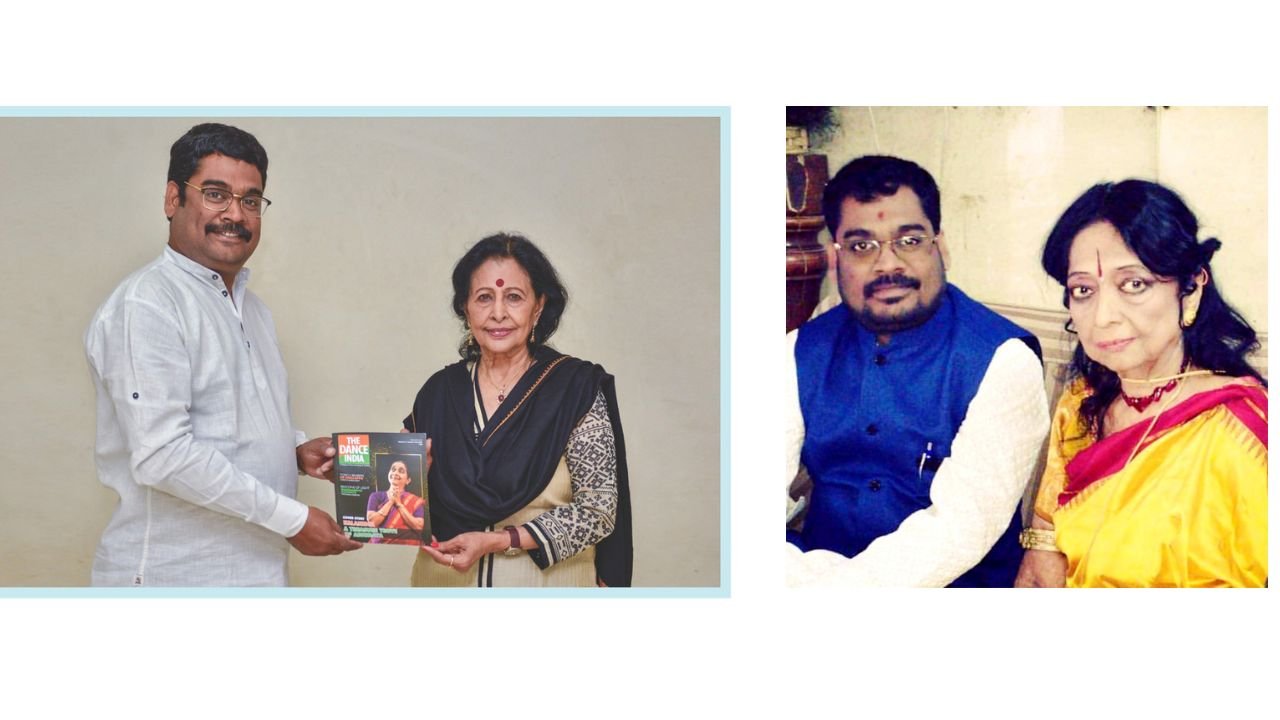
Over the years, the festivals and cultural programmes associated with Vikram Kumar B R have brought together established artistes, respected masters and emerging performers. The objective has been broader than simply presenting a series of performances. These platforms create opportunities for observation, interaction, mentorship and cultural exchange.
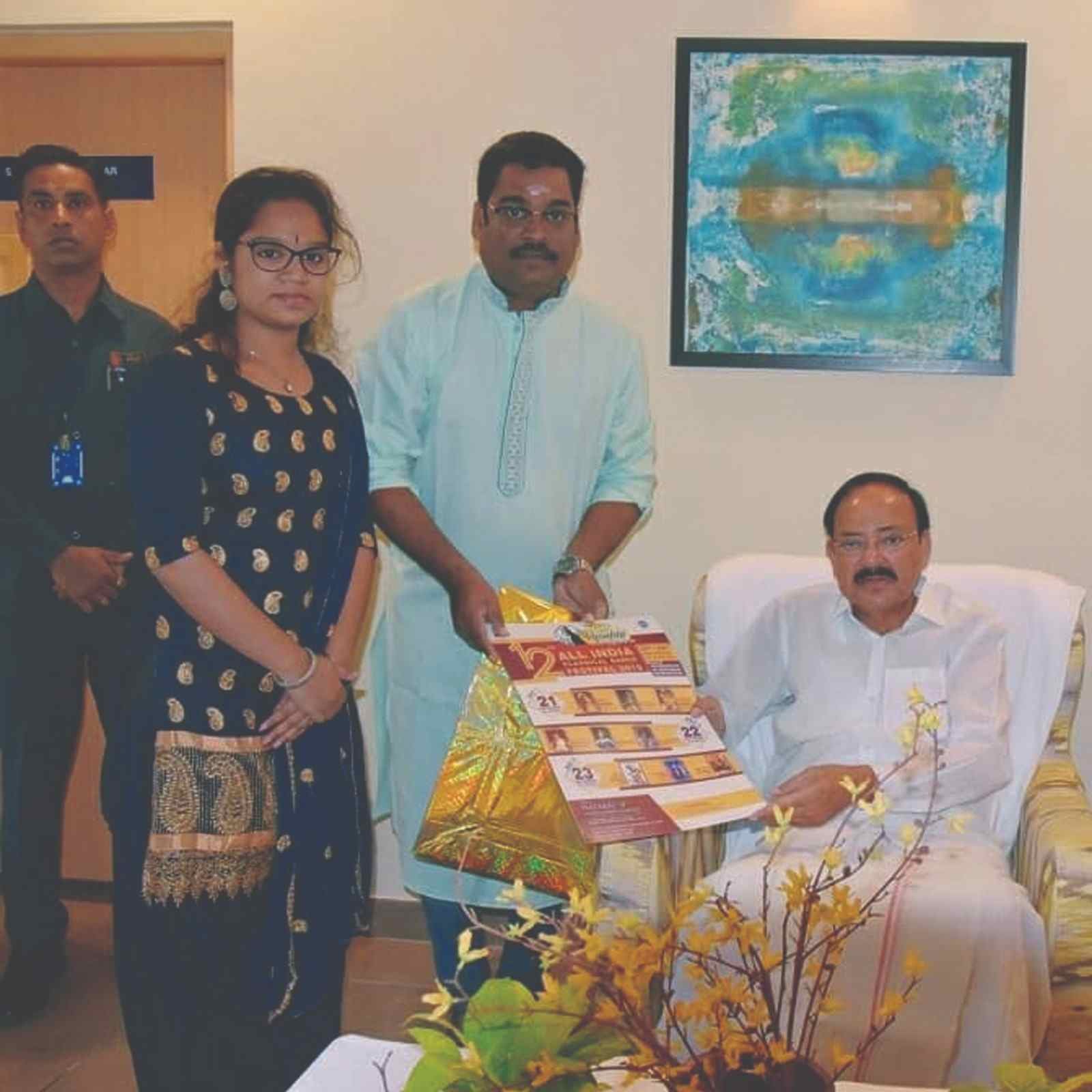
For young artistes, watching an experienced performer on stage can provide lessons that cannot always be obtained inside a classroom. Stage discipline, interpretation, expression, rhythm, presentation and the relationship between performer and audience become easier to understand through direct exposure.
Senior artistes, meanwhile, represent living repositories of artistic knowledge. Their experience includes not only technique but also repertoire, performance traditions, stories about earlier generations of gurus and practical understanding of how an art form has evolved. Creating opportunities for young dancers to encounter such practitioners can help prevent this knowledge from becoming disconnected from the next generation.
This philosophy can be seen across several initiatives associated with Vikram Kumar B R, including Vysakhi Nrithyotsav, Bharat Nrithyotsav, Sathyabhama Yuva Nrithyotsav, Nataraj Nrithyotsav, Jathis Music & Dance Festival and other cultural programmes.
The Vysakhi Nrithyotsav platform, for example, has presented established names from India’s classical dance community alongside emerging performers. Such programming gives younger artistes the opportunity to share the same cultural environment as accomplished practitioners while allowing audiences to experience different levels of artistic practice.
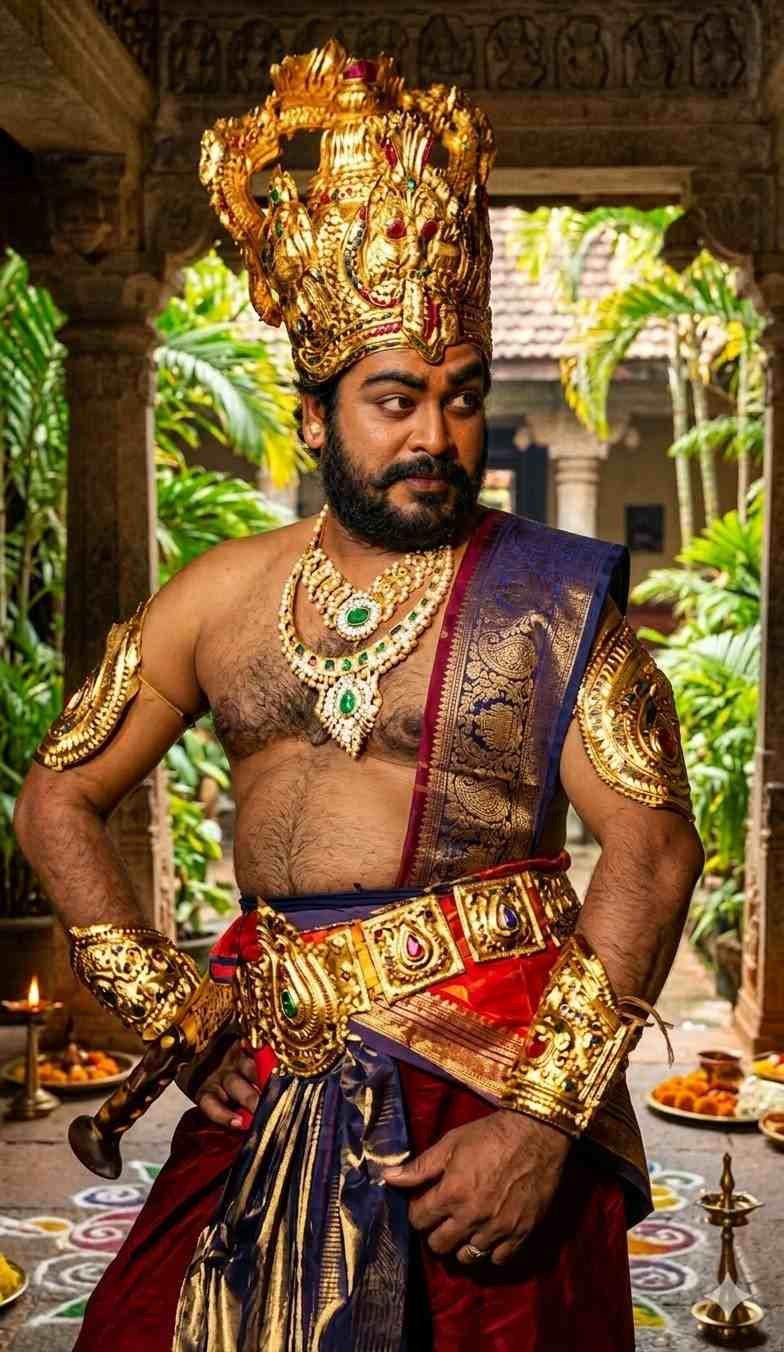
The youth-oriented Sathyabhama Yuva Nrithyotsav, introduced in 2013, adds another dimension to this approach by placing emerging talent at the forefront. Rather than waiting for young performers to establish themselves independently, dedicated platforms can give them the confidence and experience needed to develop professionally.
Vikram Kumar B R’s work through the Nataraj Music and Dance Academy, founded in 2000, also reflects this emphasis on structured learning and performance. The academy has promoted training in Kuchipudi, Indian folk traditions, Indian classical music and instrumental music, while organising workshops, seminars, competitions and festivals.
The importance of intergenerational exchange extends beyond performance. Indian classical arts are supported by literature, compositions, choreography, teaching methods, cultural history and performance practices. Preserving these elements requires communication between teachers, performers, researchers and students.
Vikram Kumar B R has therefore advocated a broader model of cultural preservation in which festivals work alongside education and documentation. Publications such as The Dance India and biographical projects connected with Kuchipudi heritage further contribute to recording the knowledge of artists and traditions.
This ecosystem approach is particularly relevant at a time when younger generations encounter culture through increasingly diverse channels. Digital media can provide access to performances, but direct interaction with experienced practitioners remains valuable for understanding the discipline and context behind a traditional art form.
Festivals can become meeting points where different generations encounter one another. A young dancer may discover a new repertoire, observe a master’s interpretation, receive encouragement from an experienced artist or simply understand the professional standards required to sustain a career in classical dance.
For Vikram Kumar B R, this connection between generations is not separate from preservation—it is one of its essential foundations. A tradition survives when knowledge is transmitted, practised and renewed by successive generations.
His festival initiatives consequently serve not only as stages for performances but also as cultural bridges. By bringing senior masters and young artistes into the same artistic environment, they contribute to a continuing chain of knowledge that helps Indian classical dance remain active, respected and relevant for the future.