
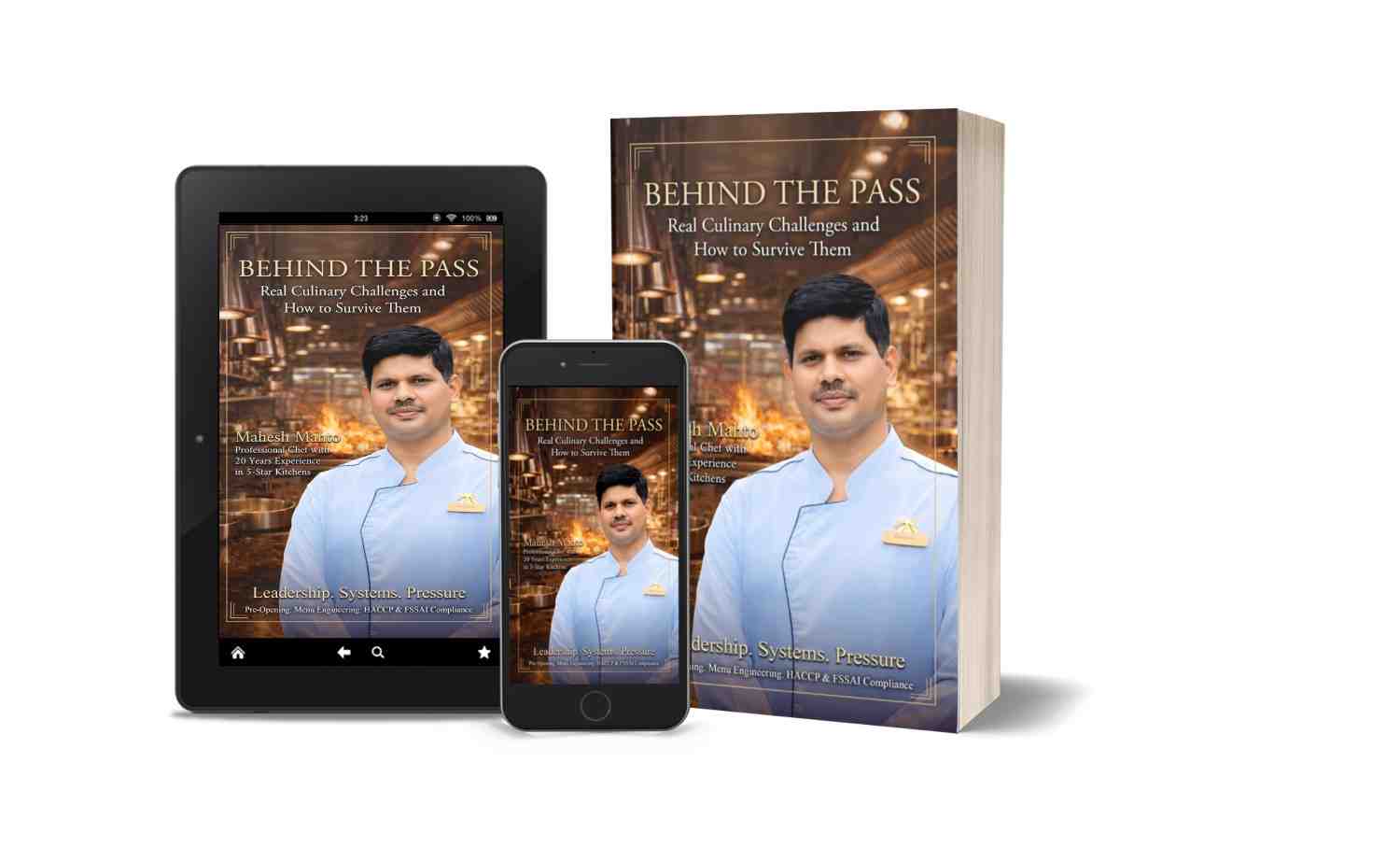
The hospitality industry is undergoing a silent but powerful transformation. Kitchens are no longer operating solely on experience, intuition, and manual coordination. Increasingly, they are becoming data-driven environments where decisions are guided by systems, metrics, and performance insights.
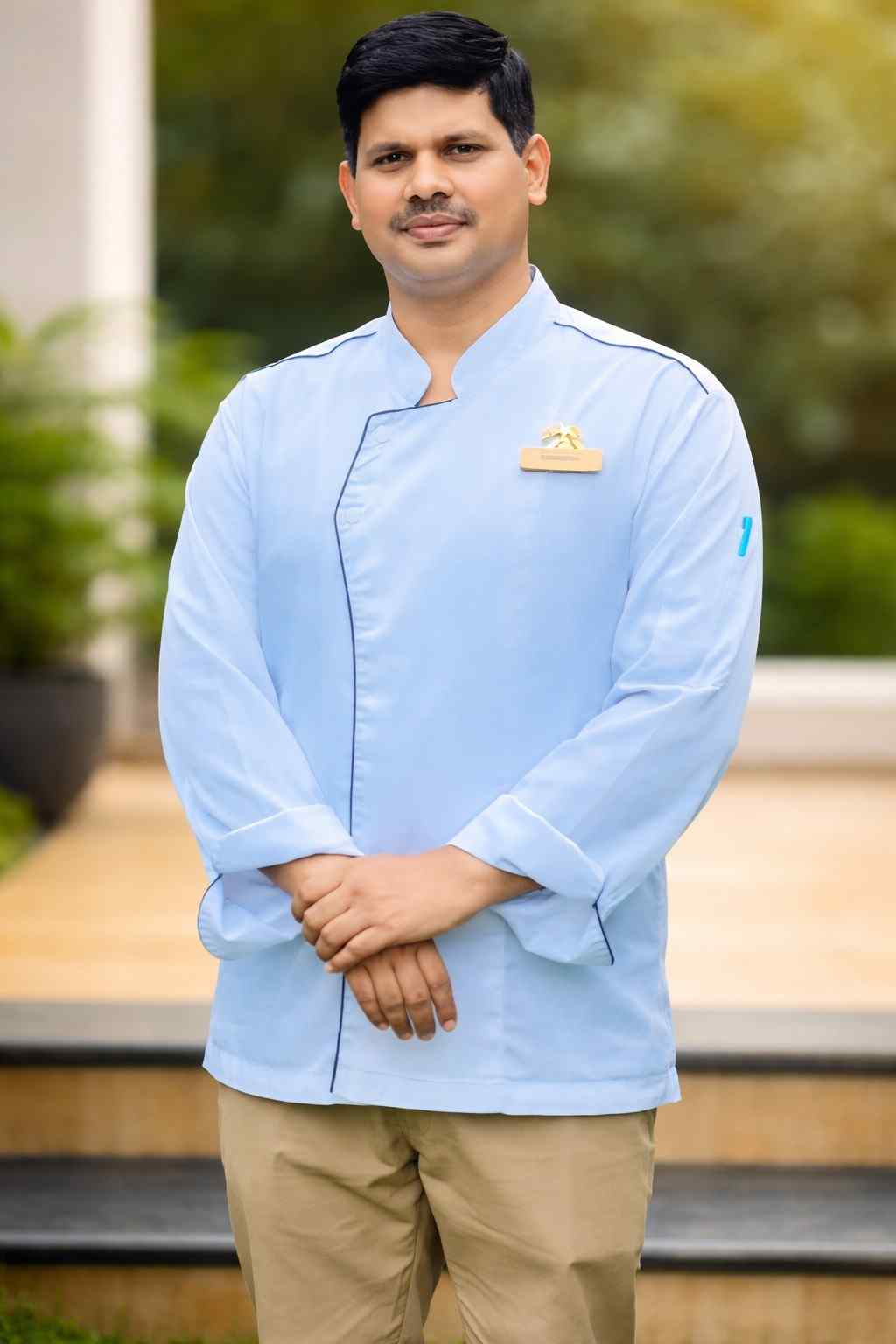
Chef Mahesh Mahto describes this shift as the evolution from traditional kitchen operations to intelligent culinary systems. In this new model, consistency, efficiency, and scalability are no longer dependent on observation alone—they are supported by structured data.
From Experience-Based to Data-Informed Kitchens
Traditionally, kitchens have relied on chef experience. Decisions about timing, portions, and workflow were made based on instinct and memory.
While experience remains valuable, it is no longer sufficient for modern-scale operations. Data now plays a key role in improving accuracy and reducing inefficiencies.
Examples of data usage in kitchens include:
- Order timing analysis
- Waste tracking
- Ingredient consumption patterns
- Peak hour performance metrics
- Staff productivity measurement
This data helps kitchens understand not just what is happening, but why it is happening.
Visibility into Operational Performance
One of the biggest challenges in traditional kitchens is lack of visibility. Managers often rely on observation rather than measurable insights.
Data-driven systems change this by providing real-time visibility into:
- Order flow speed
- Station performance
- Preparation delays
- Inventory usage
- Service bottlenecks
With this visibility, decision-making becomes more precise.
Reducing Operational Guesswork
In many kitchens, problems are identified only after they affect service. Data-driven systems reduce this delay by highlighting inefficiencies early.
For example:
- Repeated delays at a specific station can be tracked
- Ingredient shortages can be predicted
- Peak demand patterns can be analyzed
This reduces reactive management and improves proactive planning.
Standardization Through Analytics
Data does not replace SOPs—it strengthens them. By analyzing performance patterns, kitchens can refine their standard operating procedures.
This leads to:
- More accurate prep planning
- Better staffing allocation
- Improved timing structures
- Reduced waste
The Role of Technology Integration
Modern kitchens are increasingly using technology such as:
- Digital kitchen display systems
- Inventory management software
- Performance dashboards
- Automated ordering systems
These tools help translate raw kitchen activity into actionable insights.
Human Intelligence + System Intelligence
Chef Mahto emphasizes that data does not replace human decision-making—it enhances it. The most effective kitchens combine human experience with system intelligence.
Chefs interpret data, adjust systems, and improve processes based on real insights.
Predictive Kitchen Management
One of the most powerful aspects of data-driven kitchens is prediction. Instead of reacting to demand, kitchens can anticipate it.
This allows for:
- Smarter prep planning
- Reduced food waste
- Better staffing efficiency
- Improved service timing
Prediction transforms kitchens from reactive to proactive systems.
Challenges in Adoption
Despite its benefits, adopting data-driven systems comes with challenges:
- Resistance to change
- Lack of technical training
- Initial implementation costs
- Integration with existing workflows
However, over time, these systems improve efficiency significantly.
The Future Kitchen Model
The future of culinary operations is a hybrid model:
- Human creativity for innovation
- System structure for consistency
- Data intelligence for optimization
This combination creates kitchens that are both flexible and stable.

Conclusion
The evolution of kitchens is moving toward intelligence-driven systems where data, structure, and human skill work together. Chef Mahesh Mahto’s perspective highlights that the future of hospitality will not be defined by intuition alone, but by how effectively kitchens integrate systems that learn, adapt, and improve over time.
A modern kitchen is no longer just a place of cooking—it is becoming a system of continuous optimization.
Media Coverage & External Links
Read the full feature:
Interview:
Also featured in The Literature Times:
Get Your Copy
The pass is open.
- Amazon — https://lnkd.in/gh__9vkJ
- Flipkart — https://lnkd.in/gVcFjHTa
- Astitva Store — https://lnkd.in/gpmc_vpp
- Classic Shelf — https://lnkd.in/g7_k4TpW