
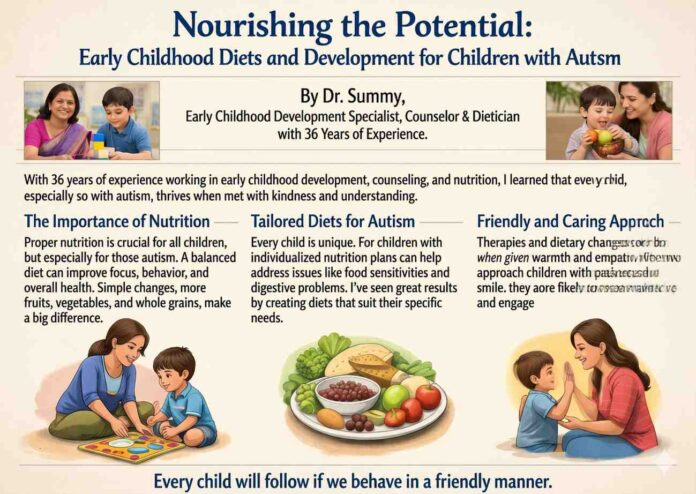
Looking for the best autism treatment center in Balasore? Get expert support from a trusted child development doctor specializing in speech, behavior, and learning challenges. Our therapies focus on improving communication skills, attention, and daily functioning through structured and personalized programs. We believe in early intervention and consistent care to ensure better outcomes for children. Parents are guided at every step to create a supportive home environment.
If your child needs professional autism therapy, connect today via WhatsApp at 9437164832 for consultation and detailed guidance.
Autism in Children: Signs, Causes & How to Support Slow Learning Development
Autism in children is one of the most searched and discussed developmental topics today, especially among parents who begin to notice that their child is learning, communicating, or behaving differently compared to others of the same age. These concerns often start with simple observations—delayed speech, lack of eye contact, repetitive actions, or difficulty in social interaction. Autism, medically known as Autism Spectrum Disorder (ASD), is not a disease or illness but a neurological developmental condition that influences how a child perceives the world, processes information, and responds to their surroundings. Understanding autism is not about labeling a child; it is about recognizing their unique way of learning and helping them grow with the right support, patience, and care.
Children with autism often show early signs during infancy or toddler years, although in some cases, these signs become more noticeable as the child grows. One of the most common early indicators is delayed speech or lack of communication. A child may not respond to their name, avoid eye contact, or struggle to express basic needs through words or gestures. Some children may develop speech but use it differently, such as repeating words or phrases instead of engaging in meaningful conversation. Along with communication challenges, social interaction is another area where differences become visible. A child with autism may prefer to play alone, show limited interest in interacting with others, or find it difficult to understand emotions and facial expressions. These behaviors are often misunderstood, but they are simply a reflection of how the child processes social information.
Another important characteristic of autism is repetitive behavior and a strong preference for routine. Children may engage in actions like hand-flapping, rocking, spinning objects, or repeating the same activity over and over again. They may also become upset when their routine is changed, even in small ways. This need for predictability helps them feel secure in a world that may otherwise feel overwhelming. Sensory sensitivity is also common, where children may react strongly to sounds, lights, textures, or touch. For example, a loud noise that seems normal to others may cause discomfort or distress to a child with autism. Understanding these sensory differences is crucial in creating a supportive environment.
When it comes to causes, autism is not linked to a single factor. Research suggests that it results from a combination of genetic and environmental influences that affect brain development. It is important for parents to understand that autism is not caused by parenting style, vaccines, or anything they did or did not do. Removing this misconception helps families focus on what truly matters—providing the right care and support. Every child with autism is different, which is why it is called a “spectrum.” Some children may need minimal support, while others may require more structured assistance in daily life.
One of the most common concerns among parents is slow learning development. Children with autism often learn at a different pace and in different ways. They may take longer to understand instructions, process information, or develop skills compared to their peers. However, this does not mean they cannot learn. In fact, many children with autism have strong abilities in specific areas such as memory, music, art, or problem-solving. The key is to identify their strengths and use them as a foundation for learning. Instead of focusing on speed, it is more effective to focus on consistency and personalized teaching methods.
Supporting a child with autism requires a combination of structured routines, clear communication, and emotional support. A predictable daily routine helps reduce anxiety and creates a sense of stability. Simple actions like maintaining fixed times for meals, study, play, and sleep can make a significant difference. Communication should be clear, simple, and consistent. Using short sentences, visual aids, and gestures can help children understand better. It is also important to give them time to respond, as they may need extra time to process information. Patience plays a key role here, as rushing or pressuring the child can lead to frustration.
Positive reinforcement is another powerful tool in supporting development. Celebrating small achievements—whether it is learning a new word, completing a task, or showing improved behavior—helps build confidence and motivation. Encouragement creates a positive learning environment where the child feels safe to try new things. Along with this, emotional support is essential. Children with autism respond strongly to a loving and caring environment. When they feel accepted and understood, they are more open to learning and interaction. Simple gestures like spending quality time, showing affection, and maintaining a calm attitude can have a lasting impact.
Professional therapies can also play a significant role in improving development. Speech therapy helps enhance communication skills, occupational therapy supports daily activities and coordination, and behavioral therapy focuses on improving behavior and social interaction. These therapies are most effective when started early and combined with consistent support at home. Parents should actively participate in the process, as continuity between therapy and home environment leads to better results.
In addition to therapy and emotional care, lifestyle factors such as nutrition, sleep, and physical activity also contribute to overall development. A balanced diet that includes essential nutrients supports brain function and energy levels. Proper sleep helps improve attention and behavior, while regular physical activity reduces stress and enhances mood. Creating a healthy daily routine ensures that the child is physically and mentally prepared to learn and grow.

It is also important for parents to know when to seek professional guidance. If a child shows consistent developmental delays, difficulty in communication, or unusual behavioral patterns, early consultation can make a significant difference. Early intervention programs are designed to address these challenges at the right time, leading to better long-term outcomes. For guidance or to share patient details, you can connect via WhatsApp at 9437164832.
In conclusion, autism in children is not a limitation but a different way of learning and experiencing the world. While the journey may come with challenges, it also brings opportunities to understand and nurture a child’s unique potential. With early recognition, structured support, and a foundation of love and patience, children with autism can make meaningful progress and develop essential life skills. The focus should always be on growth, not comparison. Every small step forward is a success, and with consistent care, those small steps can lead to a confident and independent future.